Birth date
1907
Death date
1988
Country
France
Poems by this Poet
Displaying 1 - 3 of 3
| Title | Post date | Rating | Comments |
|---|---|---|---|
| to.. | 0 | ||
| The Lords of Maussane | 0 | ||
| Forehead of the Rose | 0 |
Born in L'Isle-sur-la-Sorgue in 1907.
During his brief participation in the surrealist movement, he published with Breton and Eluard the collective work, Ralentir Travaux. He preserved the technique of automatic writing, but only to move beyond it.
In 1934, he gathered all the surrealist poetry of the time under the title " Le Marteau Sans Maître /", and then quietly broke his ties with the group. He explained his rupture with the group in a letter to Benjamin Péret in 1935 in the following terms: " /Surrealism needed to be dissolved gracefully in order to protect it from the humiliation of becoming centenarian. But aren't you fatalistic? Was the descent of Sade, Rimbaud, and Lautréamont entirely intellectual? Seeing this pathetic compromise coming, I refused to sanction it. I am leaving this circus. "
The war in Spain incited him to participate (Placart pour le Chemin des Ecoliers, 1937). As of 1940, Char joined the French Resistance, where he became renowned. His poetry, written in an urgent tone, became a celebration of the movement (Fureur et Mystère, 1948). After the Second World War, he pursued his personal goal of reaching a high degree of poetic strictness (La Parole en Archipel, 1962).
At the end of his life, concerned about the environment, he became one of the french nuclear energy project's strongest critics. He died in Paris in 1988.
excerpt from the introduction to Hypnos Waking by Jackson Matthews:
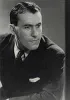
He is an abundant man - in size, in vitality, in speech, in silences, in ideas and affections, in seriousness, gaiety, gentleness, violence. The sum of all these is a kind of brooding intensity that seems at any moment free to take any turn. He is exalted and harried by the excessive life in him. He speaks in the rhythms of Provence where he was born, where he grew up, and where he still lives in part. He studied at the lycee in Avignon and at the University in Aix. He was one of the early surrealists.
But it was the war and his experience as the leader of a Maquis group in Provence that have most deeply affected his work - channeled his major themes, furnished the substance and many of the subjects of his later poems. The privation, the hunger, the moral suffering of those years were somehow turned into the passionate economy of his style, his rage to compress everything into aphorisms and short bursts of prose.
Char restores to the poet his mission in our distraught world. This is the major burden of his work. He has faced the difficult conditions of human freedom, and understood the role of the imagination in the life of man. He defends poetry with the passion of Shelly but with more human warmth and wisdom. It is in his humanity, his love, that Char stands above most of his contemporaries. But this love is fatally crossed. For the poet is the visionary leader of man, an absolute figure alone on the frontiers of the possible, "there where the sky just went down." His task is to bring into being the unhoped-for, the unexpectable. In the high lucidity of his star-crossed love, in the flash of the poem, Char has learned how to hope and how to praise.
During his brief participation in the surrealist movement, he published with Breton and Eluard the collective work, Ralentir Travaux. He preserved the technique of automatic writing, but only to move beyond it.
In 1934, he gathered all the surrealist poetry of the time under the title " Le Marteau Sans Maître /", and then quietly broke his ties with the group. He explained his rupture with the group in a letter to Benjamin Péret in 1935 in the following terms: " /Surrealism needed to be dissolved gracefully in order to protect it from the humiliation of becoming centenarian. But aren't you fatalistic? Was the descent of Sade, Rimbaud, and Lautréamont entirely intellectual? Seeing this pathetic compromise coming, I refused to sanction it. I am leaving this circus. "
The war in Spain incited him to participate (Placart pour le Chemin des Ecoliers, 1937). As of 1940, Char joined the French Resistance, where he became renowned. His poetry, written in an urgent tone, became a celebration of the movement (Fureur et Mystère, 1948). After the Second World War, he pursued his personal goal of reaching a high degree of poetic strictness (La Parole en Archipel, 1962).
At the end of his life, concerned about the environment, he became one of the french nuclear energy project's strongest critics. He died in Paris in 1988.
excerpt from the introduction to Hypnos Waking by Jackson Matthews:
He is an abundant man - in size, in vitality, in speech, in silences, in ideas and affections, in seriousness, gaiety, gentleness, violence. The sum of all these is a kind of brooding intensity that seems at any moment free to take any turn. He is exalted and harried by the excessive life in him. He speaks in the rhythms of Provence where he was born, where he grew up, and where he still lives in part. He studied at the lycee in Avignon and at the University in Aix. He was one of the early surrealists.
But it was the war and his experience as the leader of a Maquis group in Provence that have most deeply affected his work - channeled his major themes, furnished the substance and many of the subjects of his later poems. The privation, the hunger, the moral suffering of those years were somehow turned into the passionate economy of his style, his rage to compress everything into aphorisms and short bursts of prose.
Char restores to the poet his mission in our distraught world. This is the major burden of his work. He has faced the difficult conditions of human freedom, and understood the role of the imagination in the life of man. He defends poetry with the passion of Shelly but with more human warmth and wisdom. It is in his humanity, his love, that Char stands above most of his contemporaries. But this love is fatally crossed. For the poet is the visionary leader of man, an absolute figure alone on the frontiers of the possible, "there where the sky just went down." His task is to bring into being the unhoped-for, the unexpectable. In the high lucidity of his star-crossed love, in the flash of the poem, Char has learned how to hope and how to praise.